
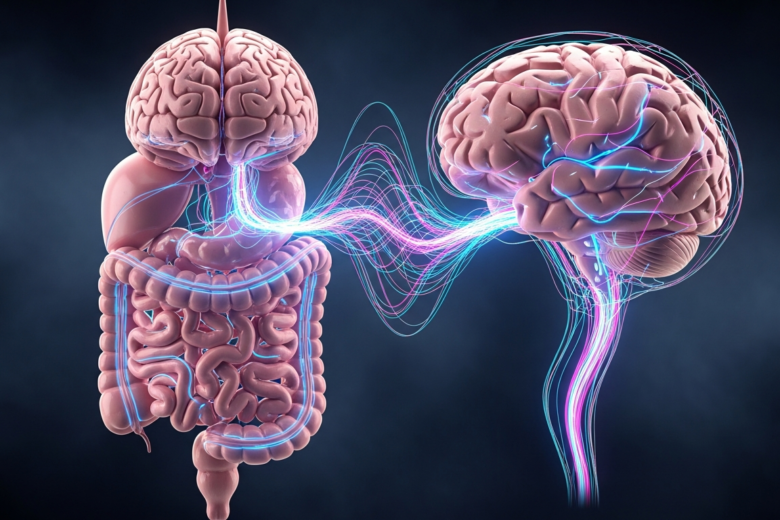
The microbiome of the gut is a complicated community of trillions of bacteria residing in your gut. It is an important element in digestion, the brain, immunity and prevention of diseases. Recent studies indicate that gut health has a direct impact on mental health, energy and physical health in the long-term. A healthy body is one that has had a structure that is balanced with microbes whereas an imbalanced microbiome predisposes a person to various diseases.
Effect of Gut Microbiome on the Brain, Immunity and Disease Control.
The gut microbiome is extensively intertwined with the major body systems such as brain, immune and metabolic. It is always in communication with the brain, aids immune defense and assists in regulating inflammation. When in good health, it helps to elevate mood and prevent diseases. It enhances chronic illness and mental stress when stressed.
Key Points
- Intestinal flora controls neurotransmitter and mood.
- A healthy microbiome enhances response of the immune system.
- A good gut minimizes inflammation within the body.
- Gut health is impaired, which makes one more stressed and anxious.
- Imbalance increases the chances of chronic diseases.
Gut-Brain Axis and Mental Health Relationship.
The gut-brain axis is a connection between the gut and brain that has a communication system. This is a system that involves the use of nerve, hormones and chemical signals to relay information between the digestive system and the brain. The happiness hormone, serotonin, is produced around 90 percent in the gut. This demonstrates the power of gut health to impact emotions, levels of stress, concentration and clarity of thinking. A healthy gut is known to promote emotional stability whereas an unhealthy gut can cause anxiety, depression and brain fog.
Gut role of immunity and disease protection.
In the body, the gut is a significant center of defense for almost 70% of the immune system. Positive bacteria aid in the recognition of dangerous agents and enhancement of immune abilities. They also decrease unwarranted swelling, which safeguard tissues and organs. The disturbance of the gut balance leads to weakening of immunity and predisposes to the risk of infections and autoimmune diseases. This demonstrates the importance of having a healthy gut in terms of general defense.
Gut Health and Risk of Chronic Disease.
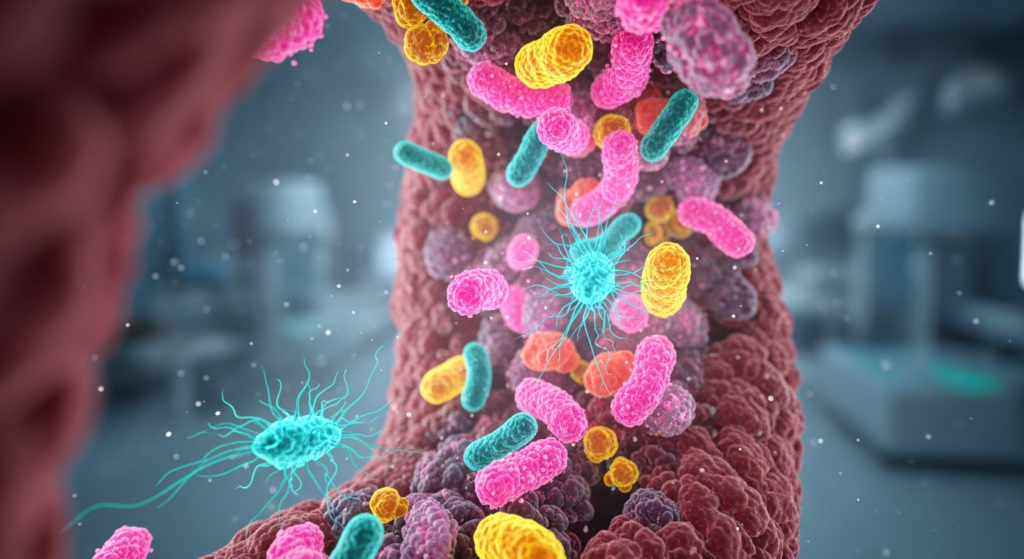
An unhealthy gut may cause dysbiosis whereby there is a proliferation of bad bacteria at the expense of good ones. Such an imbalance causes chronic inflammation in the body. The chronic inflammation is associated with severe illnesses like diabetes, obesity, heart disease and neuro diseases. Most chronic diseases in fact start in the gut well before the signs of the disease show up elsewhere in the body.
Causes, Future and Better Gut Health.
Daily lifestyle habits have a great impact on gut health. Unhealthy eating habits, stress, and lack of exercises may cause harm to the bacteria living in the gut, whereas health behaviors can heal everything. It is imperative to be aware of the factors that damage and the means of improving to become healthy in the long term.
Key Points
- Gut bacteria are harmed by processed food and sugar.
- Stress has an adverse effect on digestion.
- Foods that contain a lot of fiber help to promote the growth of good bacteria.
- Fermented foods enhance the diversity of the gut.
- Medicine in the future will be concerned with treatments through the gut.
Factors Which Damage Gut Microbiome.
Most of the modern lifestyle trends are detrimental to the health of the gut even though individuals are not aware of it. The over-eating of processed food, sugar and unhealthy fats decreases good bacteria. Microbial imbalance is also the result of overconsumption of antibiotics. The absence of sleep, stress, and low activity also deteriorate the digestion. These factors in the long run decrease the diversity of the microbes and result in poor health.
Natural ways to enhance gut health.
Simple lifestyle changes can be used to improve gut health, in a natural way. Consuming foods high in fiber such as fruits, vegetables and whole grains is healthy in promoting bacteria. Fermented foods such as yogurt, kefir, and kimchi are some of the foods that bring good microbes to the gut. The routine exercising enhances diversity of microbes, and stress management promotes digestion. Gut balance should also be gapped by reducing processed foods and also staying hydrated.
Future of Gut microbiome Science.
The healthcare future is shifting towards personalized medicine grounded on the gut microbiome analysis. Researchers are investigating the impact of gut bacteria on immunity, brain function and the development of diseases. Treatments and diets might be tailored to the specific gut profiles in the future. This would assist in avoiding diseases at an earlier stage and enhancement of general health with specific treatment.
Conclusion
Gut microbiome is an influential system that influences the brain activity, immunity and risk of diseases. A healthy gut is beneficial in maintaining emotional stability, good immunity and long-term defense against chronic illnesses. The easiest measures of life such as diet, stress control, and exercise can go a long way to enhance gut health. It has been well illustrated through science that good health begins in the gut.
FAQs
1. What is the gut microbiome?
The microbiome on the gut is a population of trillions of microbes in the digestive system that aid in digestion, immunity and general health.
2. What is the link between gut and brain health?
The gut microbes synthesize neurotransmitters such as serotonin that affect moods, stress levels, and clarity of mind.
3. Do unhealthy gut health lead to diseases?
Yes, unbalanced gut bacteria are associated with inflammation and such diseases as diabetes, obesity, and heart diseases.
4. What are the best foods to enhance gut health?
Fiber foods and fermented foods such as fruits, vegetables, yogurt and whole grains are supportive of gut health.
5. What is the time needed to enhance gut health?
It may be possible to begin to change in just a few weeks, although it will be a long-term equilibrium.