
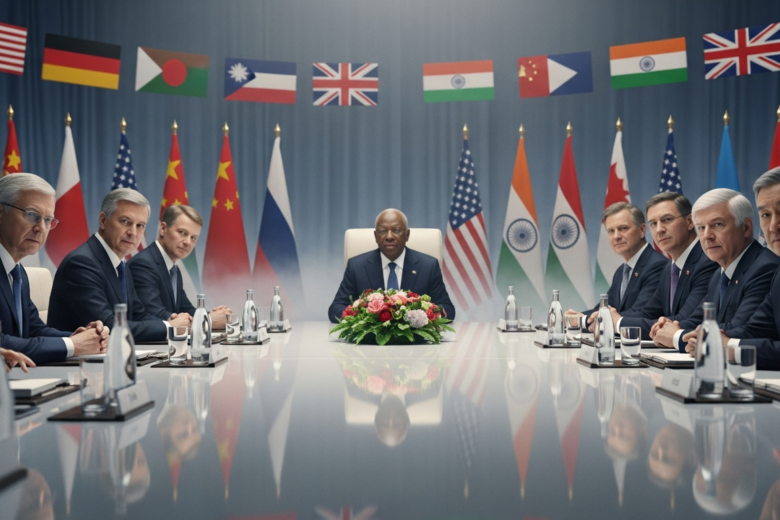
The present conflict in Eastern Europe which is a result of the tension between Vladimir Putin and Volodymyr Zelenskyy is still playing out which in turn is affecting global stability. What was a regional issue has grown into a large-scale geopolitical issue which is playing upon economies, alliances and international security. The world’s involved 20/20 which are giving out sanctions, aid, or are in diplomacy.
As we go into what is still a protracted war international leaders are reasserting their support for stability which they are doing through peace talks, developing alliances, and attending to humanitarian issues. The conflict also brings to light the fact that today’s world is very much a connected web in which one area’s collapse can have global consequences.
The present conflict and its world impact.
Geopolitical Tensions Increasing.
The issue has seen a rise in which we see it play out mostly between Russia and what may be called the West which includes NATO countries. Also we note that the U.S. and U.K. have put in sanctions and also given support to Ukraine. These actions in turn have brought out greater division in the world and also have fueled strategic competition.
The issue also causes neutral countries to reevaluate their stands. As alliances change and global power balances play out it is the tension which will in the long term shape international relations for years.
Economic and Energy Crisis.
The war has interrupted global supply chains which in turn has had a great effect in energy and agriculture. In Europe we see the case of Germany which has experienced energy shortages because of reduced use of Russian resources. This has brought about higher fuel prices and also has put out the fire for alternative energy sources.
Also see how Ukraine’s grain export issues are playing into global food supplies. We are in a situation where many countries are dealing with inflation and economic stress which in turn is making for a harder road to recovery in a very unstable global economy.
International leaders support stability.
Diplomatic Pushes Intensify.
Global institutions such as the UN put forth diplomatic solutions. Peace talks and negotiation are still the main tools we have despite that they have had limited success. Leaders stress the value of dialogue and international cooperation.
Maintaining open lines of communication is of the essence in preventing further escalation. As military actions continue we see diplomacy as the best route to lasting peace and stability.
Building Partnerships.
In response to growing threats, states are forming alliances and creating better defense strategies. NATO has increased its footprint in Eastern Europe and is improving security for members. Also see how Finland and Sweden are moving toward greater security cooperation.
These issues present a report of a joint effort to deter aggression and maintain regional balance. We see strong alliances as the base for long term security.
Human rights issues and world response.
Refugee Emergency.
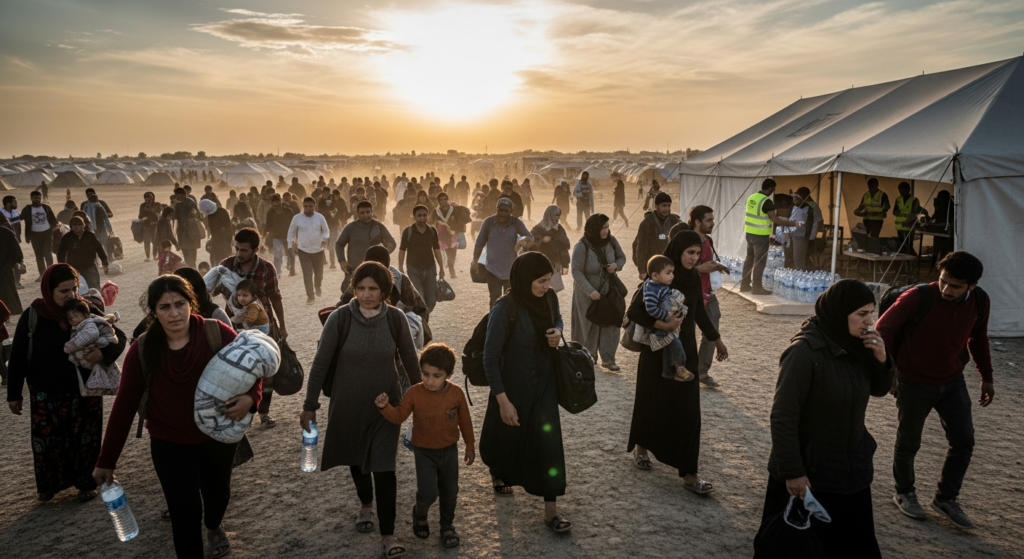
The war has seen millions of Ukrainians leave their homes which in turn has created a large humanitarian crisis. Neighboring countries like Poland and Romania have taken in large numbers of refugees which in turn is putting strain on resources and infrastructure.
Global organizations are putting in effort which includes food, shelter, and medical care. But the issue of long term settlement and integration is still very much a concern.
Human Rights and Genocide.
Reports on human rights violations have been brought into the international arena and we have seen investigations by global entities. Justice and compliance to humanitarian law is a priority now which leaders are putting forward.
These efforts put in place ethical frameworks which also dissuade against further violations. We see a great deal of attention paid to human rights which in turn is a reflection of the world’s dedication to justice and responsibility.
Global Players’ Role.
Strategic Issues and Influence.
Major global players such as China and India have taken neutral stands which they present through diplomacy while at the same time protect their interests. They play key roles in the way forward of the conflict.
These countries play a large role in international affairs and also put forth peace solutions. Their action is a reflection of the issues which we see in the management of global stability in crisis times.
Defence and Military Expenditure.
The war has seen an increase in defense spending which in turn has made countries put security at the fore. We see large growth in military technology, cybersecurity, and intelligence systems investments.
While those measures which do improve the issue of preparedness also see an increase in the issue of permanent militarization at present. Global leaders still have a large role to play in the security versus peace balance.
The Road to Stability.
Issues of Peace.
Achieving peace is a hard task which we see to be a result of very deep political divides and an ongoing conflict. Also we see that there is little trust between the parties which in turn causes delays in negotiation. Also it is very difficult to come up with agreements which please all.
Continuous international action is what is needed to overcome these issues. Also without cooperation and give in from all parties progress toward peace will be slow.
Opportunities for Settlement.
Despite problems we still see options for resolution through diplomacy and international cooperation. Economic incentives, peace proposals, and mediation efforts are put forth to reduce tensions.
Global leaders are still positive that as we go forward dialogue will play a key role. We will see stability through that which is built over time through that which is a team effort.
Main Points Summary.
- Eastern Europe conflict affecting global stability
- Rising hostilities between Russia and the West.
- Energy and food sector issues.
- Ongoing diplomatic efforts for peace
- Strengthening military alliances worldwide
- Growing humanitarian crisis and refugee displacement
Conclusion
In Global Peace at risk in Eastern Europe we see that which is very delicate. International leaders are still at it in terms of diplomacy, alliances, and humanitarian support. Although issues present themselves, global cooperation brings to bear some hope for a better and more stable future.
FAQs
What causes the conflict?
Russia is at odds with Ukraine over politics, territory, and security issues.
What is the global economic impact of the war?
It has created energy shortages, high prices, and issues with supply chains.
What is the role of NATO?
NATO is supporting Ukraine in a back door kind of way and also is working to strengthen defense in neighboring areas.
What do leaders do in terms of stability?
Through diplomacy, sanctions, and humanitarian aid.
Is peace at hand?
Peace is achievable but through successful negotiations and global cooperation.