

Introduction: A World Drowning in Debt.
The world economy in 2026 is teetering on a tightrope. The last ten years have seen governments, corporations and households amassing debt on a scale never seen before. What started as aggressive borrowing at the time of the COVID-19 recovery phase, has now turned into a systemic threat, which is closely observed by economists all over the world. The increase in interest rates, geopolitics, and deceleration in economic growth have heightened the fear that the world debt bubble could be about to burst. The pertinent issue is, are we approaching another financial meltdown?
Apprehension of the Degree of the Debt Crisis.
World-Record Global Debt Levels.
The world has hit new historical levels of debt, exceeding 320 trillion dollars, sovereign, corporate and household liabilities. The developing countries especially are struggling with the growing debt repayments as they see their currencies depreciating against the US dollar. This has placed debt servicing at a high cost and unsustainable.
The Impact of Low Money.
Over the years, central banks kept the interest rates down in order to boost economic growth. This cheap money was an atmosphere that promoted overborrowing in all sectors. Nevertheless, with the inflation spurting after 2022, the central banks changed their minds, and the interest rates rapidly went up. The outcome is the dramatic increase in the cost of borrowing, and most economies are having difficulties with refinancing the existing debt.
Important Driving Forces of the Crisis.
Increasing Interest rates.
The global increase in interest rates is one of the largest causes of the current debt stress. Those who borrowed a lot when rates were low are now paying much more as their debt obligations. This has resulted in heightened risks of defaults especially in emerging markets.
Reducing Economic Growth.
Disruption of the supply chain, geopolitical issues, and weak consumer demand have decelerated economic growth in major economies. Reduced growth implies decreased government tax collections and decreased business profits, making it more challenging to pay off debts.
Depreciation of Currencies in Emerging Markets.
This is especially sensitive to the emerging economies since most of their debt is in a foreign currency. The actual price of debt repayment is rising, pushing most countries nearer to the brink of financial ruin as local currencies depreciate.
Red Flags of a possible financial meltdown.
Increasing Sovereign Defaults
A number of nations are already in default or facing a default. The tendency is an indication of structural problems within the international financial system. A sovereign default wave will have a domino effect on the banks and investors across the globe.
Vulnerability in the banking sector.
Banks that contain high government and corporate debts encounter a lot of risks. In case of default by borrowers, financial institutions may incur massive losses and this may trigger another credit crisis like the one encountered in 2008.
Stress of Corporate Debt.
Companies that depended on low-cost loans are finding it challenging to pay increased interest rates. This may lead to layoffs, decreased investments, and even bankruptcies, further dragging down economic growth.
The Difference between this crisis and 2008.
Wider Range of Risk.
The current debt crisis is more extensive as opposed to the 2008 financial crisis which was mainly caused by the housing market. It cuts across governments, corporations and households across the world and is therefore more complicated and difficult to contain.
Tighter Financial Regulations.
The reforms after 2008 have made banks more robust with increased capital requirements and stringent regulations. Although this decreases the chances of a banking collapse, it does not eliminate systemic risk.
Geopolitical role.
Geopolitical tensions, trade wars and regional conflicts are contributing a significantly bigger part in the new economic environment. These create uncertainties and may hasten financial instability.
Global Potential Impact.
Economic Recession
The entire economy of the world might get into a recession due to a full-scale debt crisis. Such spending cuts, increased unemployment and decreased investments would have far reaching impacts.
Financial Market Volatility.
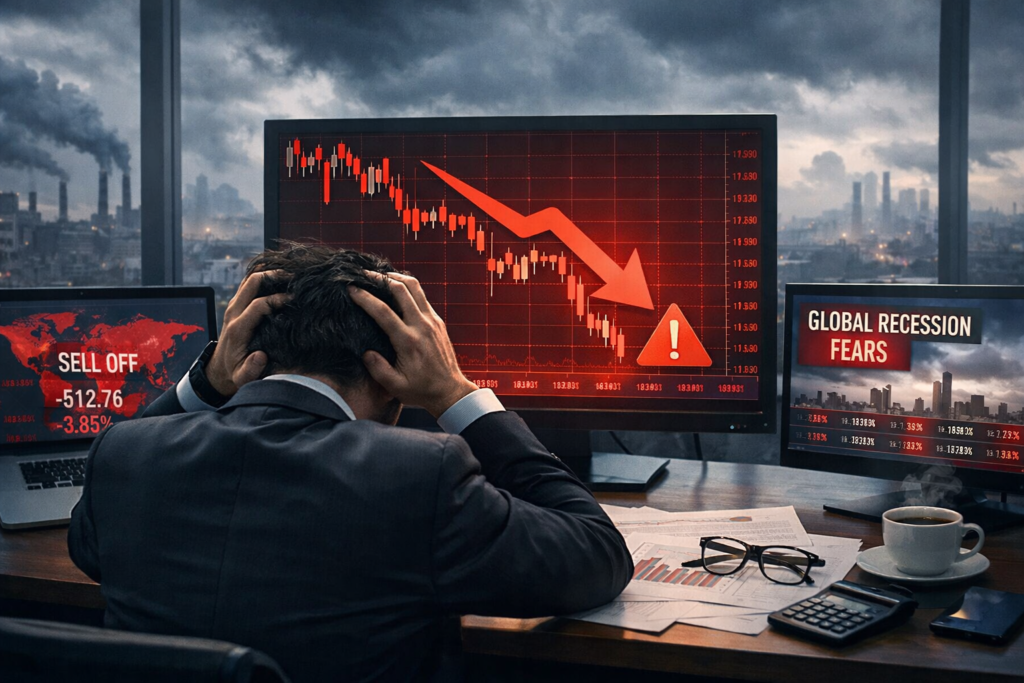
There might be excessive volatility in stock markets, bond markets and currencies. The investors might move to other less risky assets and this results in liquidity problems in the risky markets.
Social and Political Implications.
Social unrest and political changes usually accompany economic instability. Governments under pressure can resort to austerity measures which will result in people being unhappy.
Can the Crisis Be Avoided?
Policy Interventions
There are still instruments that governments and central banks can use to control the situation. These involve repricing of debt, changing interest rates and the adoption of fiscal policies to help growth.
International Cooperation
International coordination of financial institutions and governments is essential. Widespread defaults could be avoided through debt relief programs, most especially to the developing nations.
Sustainable Economic Practices.
The long-term solutions include decreasing the dependence on the growth due to debts and concentrating on the sustainable economic formulas. Economies can be stabilized by investing in productivity, innovation, and infrastructure.
Conclusion: A Critical Turning Point.
The world economy is at a crossroads with the global debt crisis of 2026. Although the case is severe, it is not too late. A disastrous melt down can be averted by timely policy measures, international collaboration and careful management of money. Nonetheless, the issue of neglecting the warning signs may have dire economic effects. Whether this crisis will turn out to be an insurmountable challenge or the second worldwide financial catastrophe will depend on the coming years.
FAQs
1. What is a debt crisis worldwide?
The global debt crisis is the over-accumulation of debt by governments, businesses, and households, which causes risks of financial instability.
2. Why is the question of increasing interest rates important?
Raising interest rates would raise the cost of borrowing money and the borrower will find it difficult to pay off the current debt and will risk default.
3. What are the most vulnerable countries?
Financial distress is most susceptible in emerging markets, which have high foreign debt and poor currencies.
4. Is this a crisis like the 2008 financial crisis?
Although there are some similarities, the ongoing crisis is wider and touches on various sectors all over the world and not limited to housing or banking.
5. What will help to avoid a financial meltdown?
The situation can be stabilized with the help of strong policy measures, debt restructuring, and international cooperation to avoid the crisis.